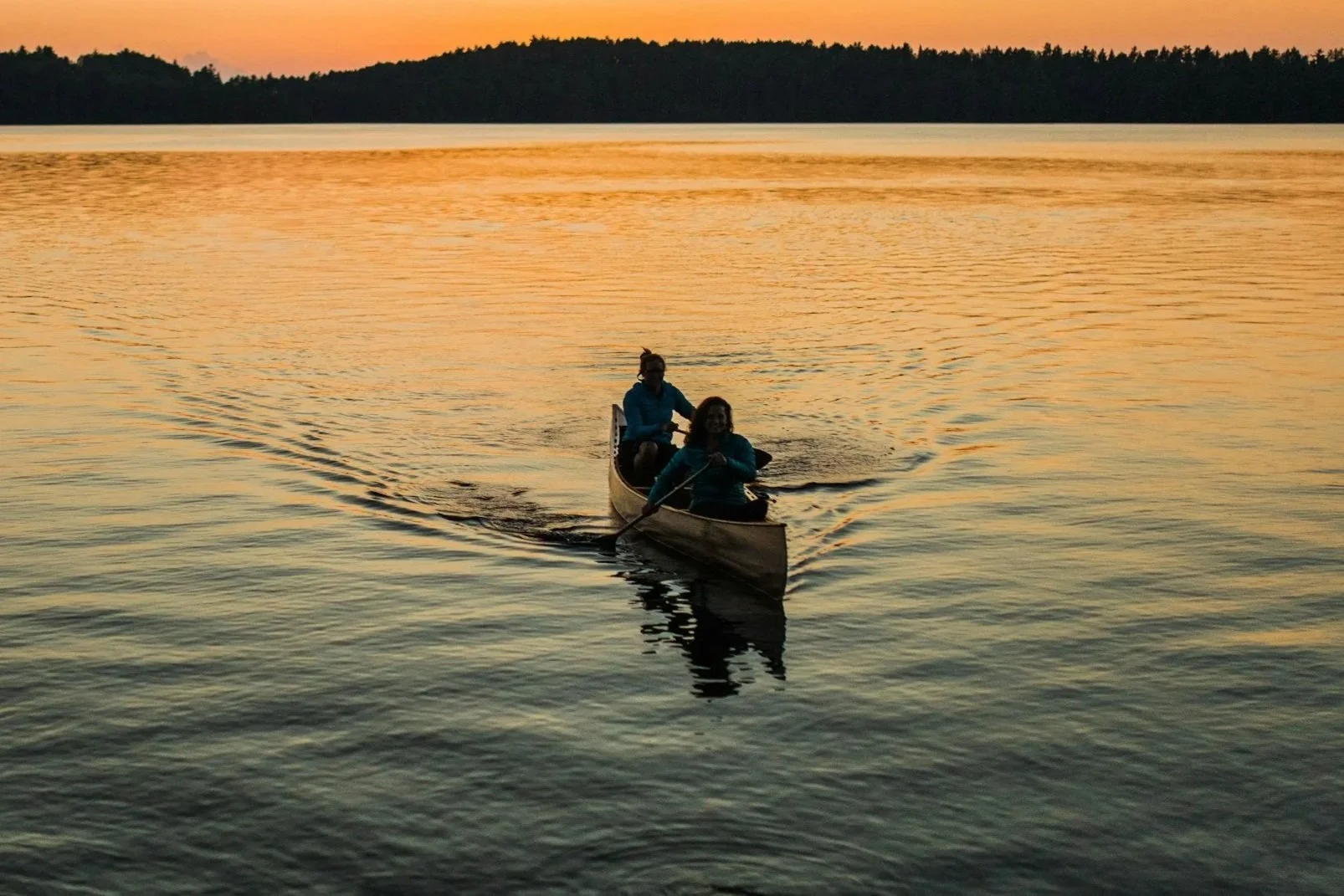
The Boundary Waters Canoe Area Wilderness (BWCAW) covers more than one million acres of lakes, rivers, and boreal forest along the Minnesota–Ontario border. A maze of waterways linked by ancient portage trails, it contains over 1,200 miles of canoe routes and hundreds of backcountry campsites. The region sits along the Laurentian Divide, where some waters flow south toward Lake Superior and the Great Lakes, while others flow north toward Hudson Bay. This split watershed makes the Boundary Waters one of the most significant freshwater networks in North America — a natural reservoir that supports wildlife, migratory species, and downstream ecosystems far beyond its borders.
For centuries the area has been part of the homeland and travel routes of the Ojibwe (Anishinaabe) people, whose canoe culture, trade networks, and place names remain embedded in the landscape. In the 1700s and 1800s, French and Canadian voyageurs traveled these same lakes during the fur trade, using many of the portages still followed today. Logging and early development reached into the region in the early 20th century, but growing recognition of its unique character led to federal protection — first as part of Superior National Forest, then strengthened through wilderness legislation in 1964 and 1978. Today, the BWCAW is one of the most heavily protected wilderness areas in the United States, where motors are limited, aircraft routes are restricted, and travel remains primarily by paddle and foot.
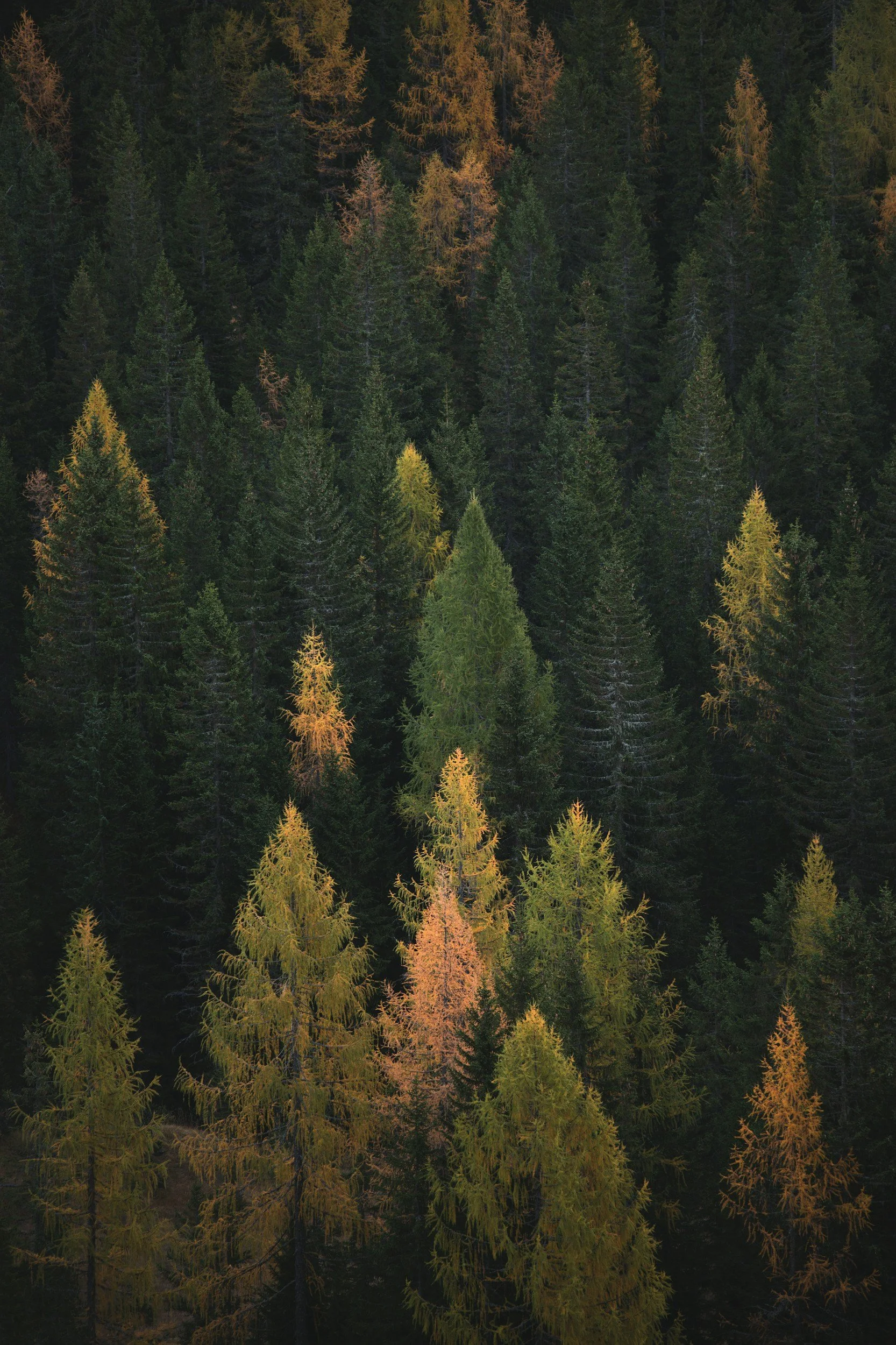
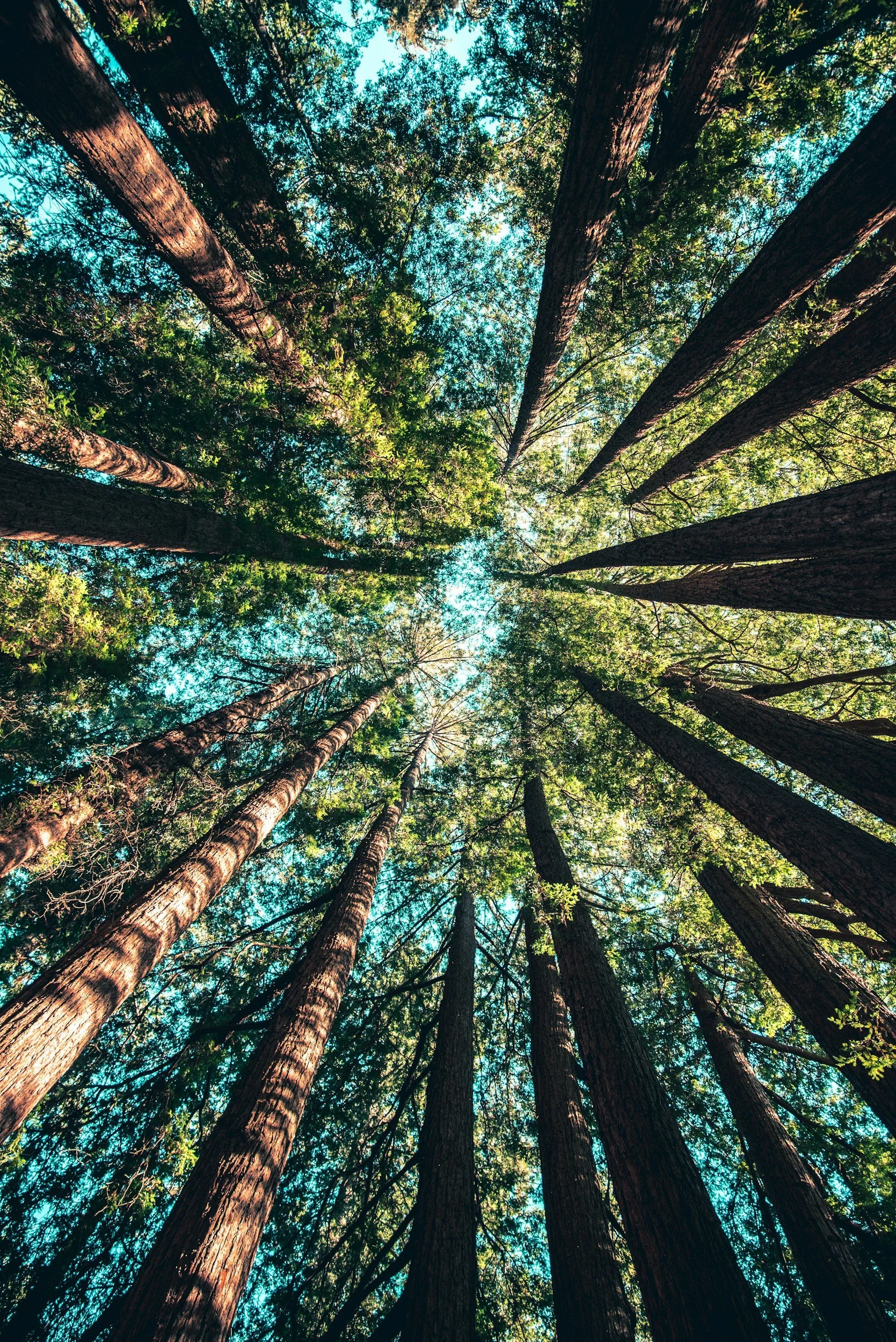
The Boundary Waters is valued not only for its solitude and recreation, but for its environmental importance. Its cold, clear lakes support walleye, lake trout, and northern pike; its forests provide habitat for moose, lynx, wolves, and countless bird species. The wilderness also serves as a living example of intact northern forest — a rare, large-scale ecosystem where natural processes still shape the land. Protecting its waters from pollution and industrial impact remains a central part of its modern story.
Beyond well-known lakes and entry points, the Boundary Waters holds quiet, lesser-traveled places that speak to deeper history. Cliffside pictographs painted by Indigenous artists still appear along remote rock faces, visible only from a canoe. Old portage traces, abandoned logging relics, forgotten ranger cabins, and secluded burn-recovery forests tell stories that rarely make guidebooks. These subtle sites — glimpsed in quiet bays or along narrow creeks — remind visitors that the BWCAW is not just a destination, but a layered cultural and ecological landscape that continues to endure.