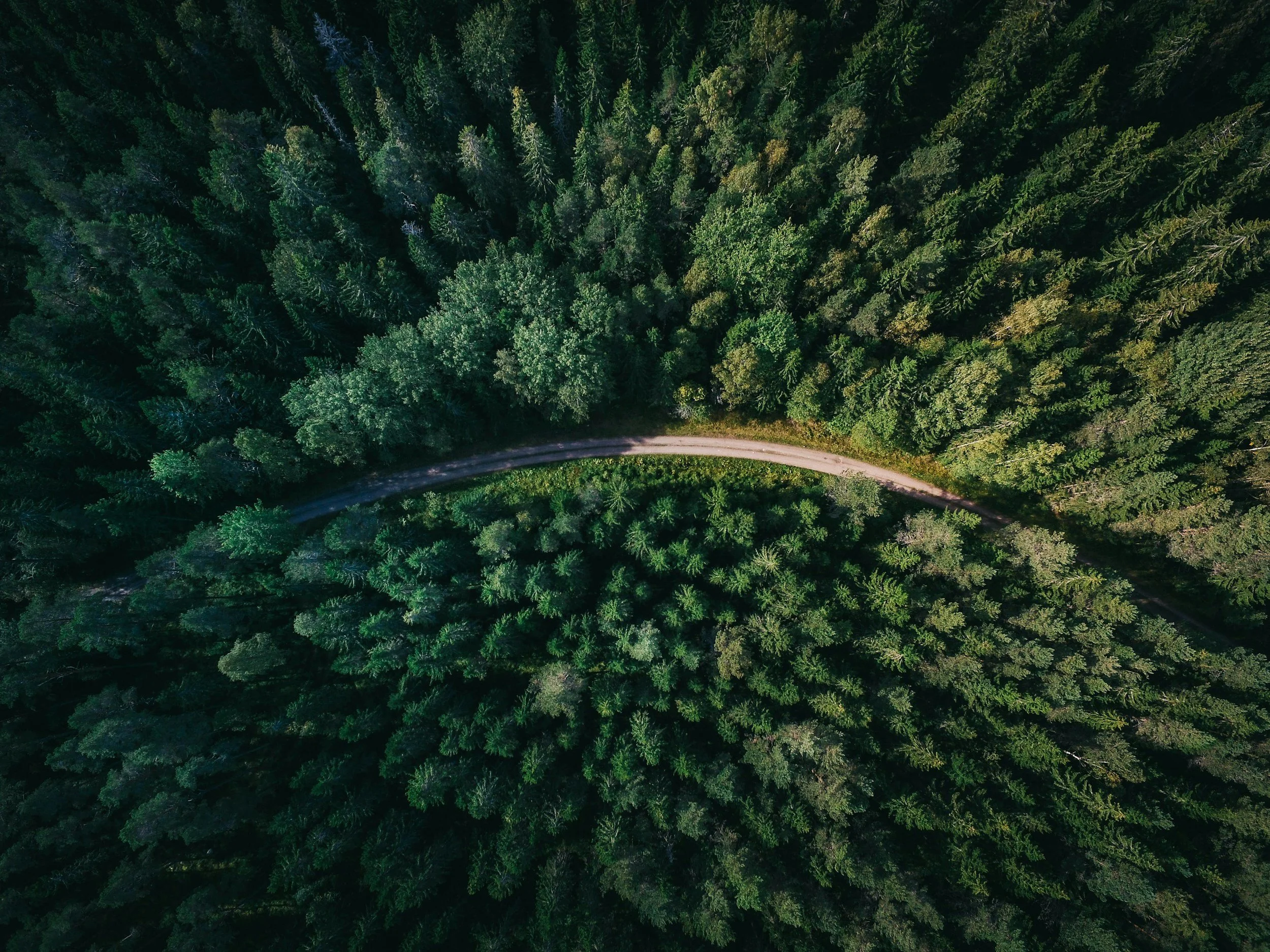
Superior National Forest stretches across nearly 3 million acres of northeastern Minnesota, making it one of the largest national forests in the eastern United States. The landscape is shaped by ancient bedrock, glacier-carved ridges, and thousands of lakes, rivers, and wetlands. Within its boundaries lies the world-famous Boundary Waters Canoe Area Wilderness, a 1-million-acre preserve of interconnected waterways and portage trails. The forest sits along the Laurentian Divide, meaning its waters flow in two directions — some toward Lake Superior and the Great Lakes, and others north toward Hudson Bay. Because of this unique watershed, Superior National Forest plays a major role in regional ecology, water quality, and migratory wildlife habitat.
The area has been home to the Ojibwe (Anishinaabe) people for centuries, and many cultural traditions, travel routes, and place names originate from their relationship with the land and lakes. European settlement expanded in the late 1800s with logging and mining, and the forest was officially designated in 1909 to help protect remaining timberlands and waters. In the early 20th century, the Civilian Conservation Corps built roads, trails, fire towers, and historic structures still seen today. Over time, management shifted from industrial resource use toward conservation, recreation, and wilderness protection, culminating in federal wilderness legislation that safeguarded the Boundary Waters.
Today, Superior National Forest is known for its remote canoe country, boreal forests of pine and spruce, abundant wildlife, and dark night skies. Visitors come to paddle, fish, hike, camp, and experience one of the last large intact wilderness landscapes in the lower 48 states — a place where waters still connect communities, ecosystems, and history.